
Preventive maintenance programs are structured service plans that include routine electrical inspections, testing, cleaning, and component replacements. These programs are scheduled periodically monthly, quarterly, or annually—based on your facility’s requirements.
Unlike reactive maintenance, which addresses problems after they occur, preventive maintenance focuses on avoiding disruptions altogether. This proactive approach helps maintain consistent performance and ensures smooth operations across industries.
Routine Inspections
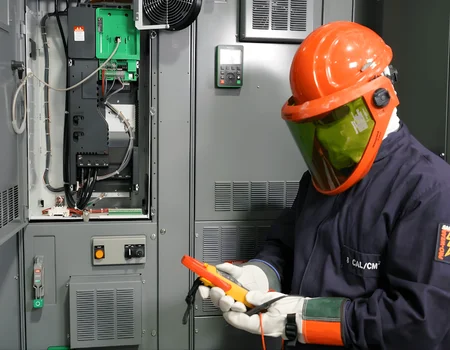
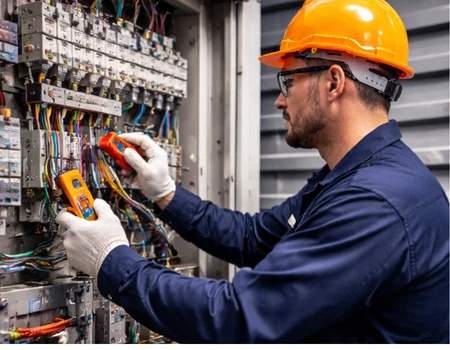
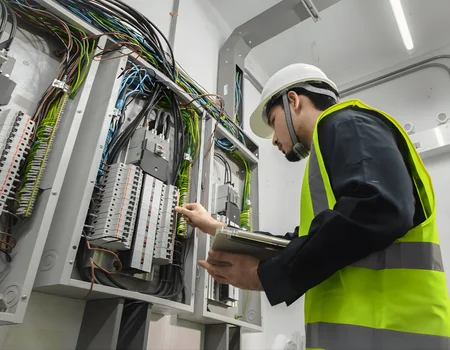
We conduct detailed visual and technical inspections to identify wear, damage, or potential risks before they become serious issues.
Testing & Diagnostics
Advanced testing methods help us evaluate the performance of electrical systems, ensuring all components function efficiently.
Cleaning & Calibration
Dust, corrosion, and loose connections can impact performance. Regular cleaning and calibration keep systems operating at peak efficiency.
Component Replacement
We replace worn-out or damaged parts proactively to prevent sudden failures and costly repairs.
Documentation & Reporting
Detailed reports provide insights into system health, maintenance history, and future recommendations.
Routine Inspections
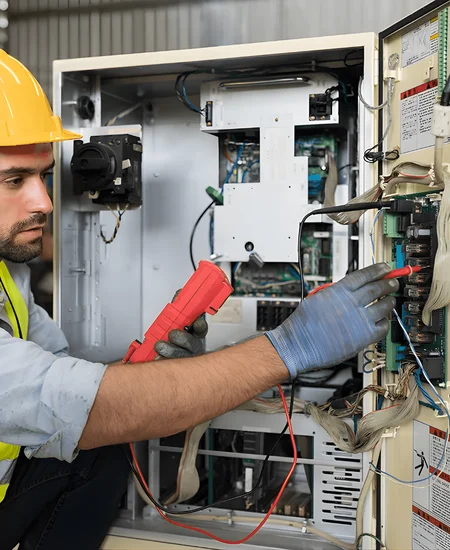
We conduct detailed visual and technical inspections to identify wear, damage, or potential risks before they become serious issues.
Testing & Diagnostics
Advanced testing methods help us evaluate the performance of electrical systems, ensuring all components function efficiently.
Cleaning & Calibration
Dust, corrosion, and loose connections can impact performance. Regular cleaning and calibration keep systems operating at peak efficiency.
Component Replacement
We replace worn-out or damaged parts proactively to prevent sudden failures and costly repairs.
Documentation & Reporting
Detailed reports provide insights into system health, maintenance history, and future recommendations.
Reduced Downtime
Early detection of issues prevents unexpected system failures and costly interruptions.
Improved Safety
Regular inspections reduce risks of electrical fires, shocks, and hazards.
Extended Equipment Life
Routine servicing reduces wear and tear on electrical components.
Cost Savings
Preventive maintenance is more economical than emergency repairs or replacements.
Enhanced Efficiency
Well-maintained systems consume less energy and perform optimally.
Regulatory Compliance
Ensures adherence to safety standards and electrical codes.